"Can foreigners buy the Climate Card too?" Behind this question there are usually two worries: whether you can charge it without a Korean bank account or phone, and whether you can get a refund on any remaining balance.
The Climate Card isn't a tourist-only product. It's a flat-rate transit pass anyone can use, and over 2025–2026, short-term passes for foreigners and payment with overseas cards were opened up significantly.
The catch is that there are a few pitfalls. Many people buy it without understanding the coverage (inside/outside Seoul), device and app compatibility, or the refund process — and then get caught off guard when "it won't scan on the airport bus" or "there's an extra charge on the Bundang Line." Below, we'll walk through which pass type to buy, where, how to charge it, and how far you can travel — from the perspective of foreign travelers and residents (as of 2026-06).
What Is the Climate Card
The Climate Card is a flat-rate, unlimited public transit pass operated by the Seoul Metropolitan Government. Once charged, it lets you ride the Seoul subway and Seoul city buses with no limit on the number of trips for a set period. There are also higher-tier passes that include Ttareungi (public bikes) or the Hangang Bus.
The key point is that it's centered on transit under "Seoul licensing." Wide-area or intercity routes that leave Seoul, and some privately funded lines, are excluded. So it's a good idea to first check whether your travel is mostly within central Seoul.
Pass Types and Prices (as of 2026-06)
30-Day Pass (for long-term residents and stayers)
| Pass Type | Price | Coverage |
|---|---|---|
| Basic (subway + bus) | 62,000원 | Unlimited Seoul subway and Seoul city buses |
| + Ttareungi | 65,000원 | Above + Ttareungi public bikes |
| + Hangang Bus | 67,000원 | Above + Hangang Bus |
| + Ttareungi & Hangang Bus | 70,000원 | All included |
Youth aged 19–39 may qualify for a separate discount (about 7,000원) on certain pass types. The youth discount may require identity confirmation, so check the guidance in the FAQ below.
Short-Term Passes (for travelers — 1/2/3/5/7 days)
This is the most practical choice for those touring Seoul for just a few days.
| Pass Type | Price |
|---|---|
| 1-day pass | 5,000원 |
| 2-day pass | 8,000원 |
| 3-day pass | 10,000원 |
| 5-day pass | 15,000원 |
| 7-day pass | 20,000원 |
With short-term passes, the day count starts from the moment you charge (activate) it. If you plan to use it the next day, don't charge it the day before — it's best to charge it on the first day you actually ride.
Pass types and discounts can change, so it's safer to check the official guidance (T-money and the Seoul Metropolitan Government) before paying.
How Foreigners Can Get the Card
1) Physical Card (the most hassle-free)
This is the most reliable method, and it doesn't require a Korean phone or bank account.
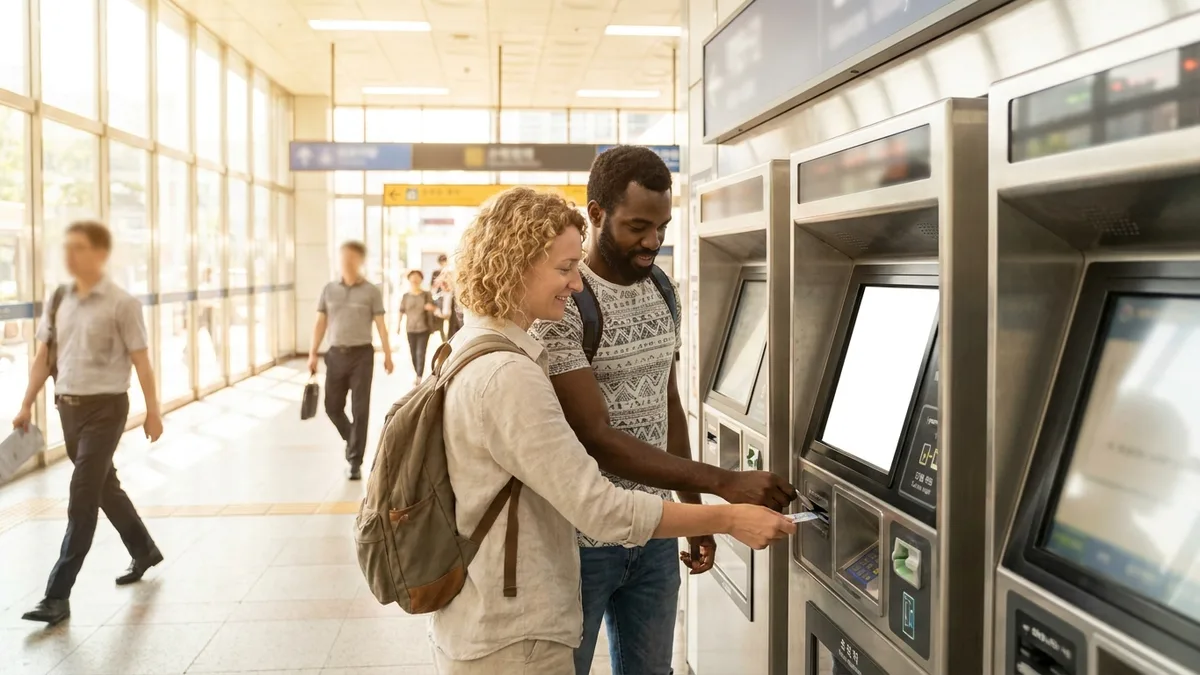
- Where to buy the card: Card vending machines at stations on Seoul subway lines 1–8, convenience stores near stations (GS25, CU, 7-Eleven), and customer service centers or tourist information centers at some stations. Tourist information centers such as Myeongdong and the Seoul Tourism Plaza also carry them.
- Physical card fee: 3,000원 (separate from the pass fare; one-time)
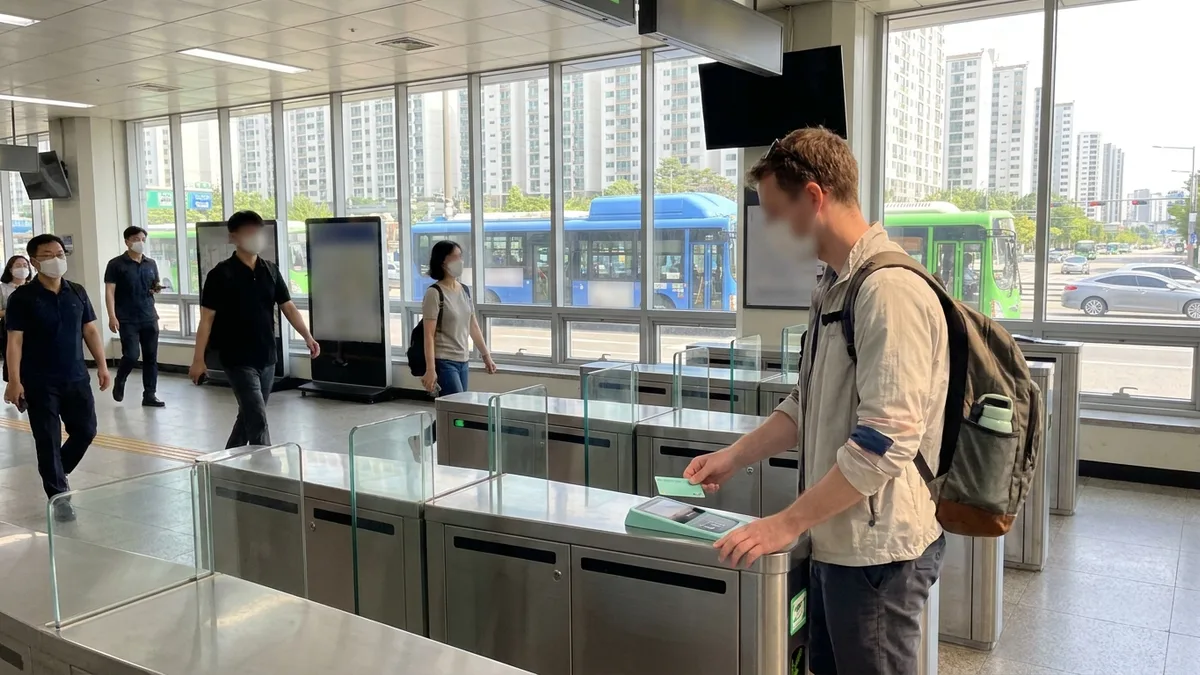
- Charging (applying a pass): At the charging kiosks on lines 1–9, the Ui-Sinseol Line, the Sillim Line, and others, choose your pass type (1/2/3/5/7 days or 30 days) and charge it. You can pay with cash or a credit/debit card.
When overseas card payment became available (important): Since 2026-03-17, the new ticketing machines at 273 stations on Seoul subway lines 1–8 have allowed you to buy and charge Climate Card short-term passes (1/2/3/5/7 days) with overseas-issued credit/debit cards (Visa, Mastercard, etc.) (with an average service fee of 3.7%). Since the 30-day pass is not yet covered by overseas card payment, it's best to have cash or a domestic card ready. Depending on the card issuer and machine, recognition may fail, so keeping some cash on hand as well is reassuring.
2) Mobile Card (Android)
You can issue the card via the Mobile T-money app on Android OS 12 or higher phones (issuance is free). However, the payment method for mobile issuance is based on account transfer or a domestic card in your own name, so if you only have an overseas card, buying a physical short-term pass at a station ticketing machine is the surer route (overseas card payment has been possible at the new ticketing machines since March 2026).
The iPhone (Apple) currently does not support mobile issuance of the Climate Card. iPhone users can simply use a physical card.
Because the app and OS are tuned to Korea's telecom environment, installation or verification may be blocked on foreign devices or accounts. When in doubt, a physical card is the safest option.
How Far Can You Ride — Coverage (be sure to check)
The most common mistake with the Climate Card is riding a segment you thought was covered — only to find it isn't.
What's included
- Seoul subway (Seoul sections)
- Seoul-licensed city buses
- Ttareungi and Hangang Bus (only with the applicable pass type)
What's not included (extra charge or no use)
- Sinbundang Line (separate fare)
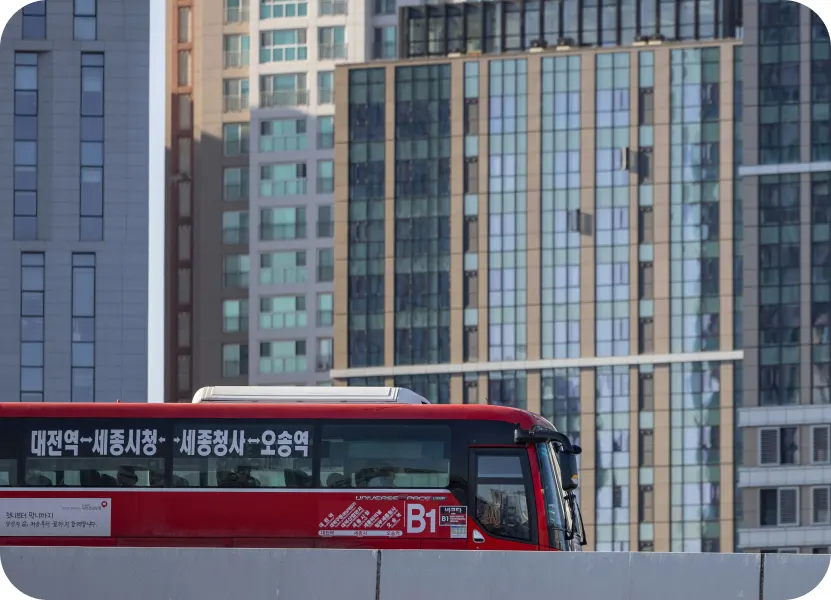
- Airport buses, wide-area buses, intercity/express buses (KTX and SRT not included)
- Sections outside Seoul, such as Gyeonggi and Incheon — even if you board in Seoul, if you get off in the Gyeonggi area, the exit tag may not register or an extra charge may apply
- Some privately funded and wide-area lines
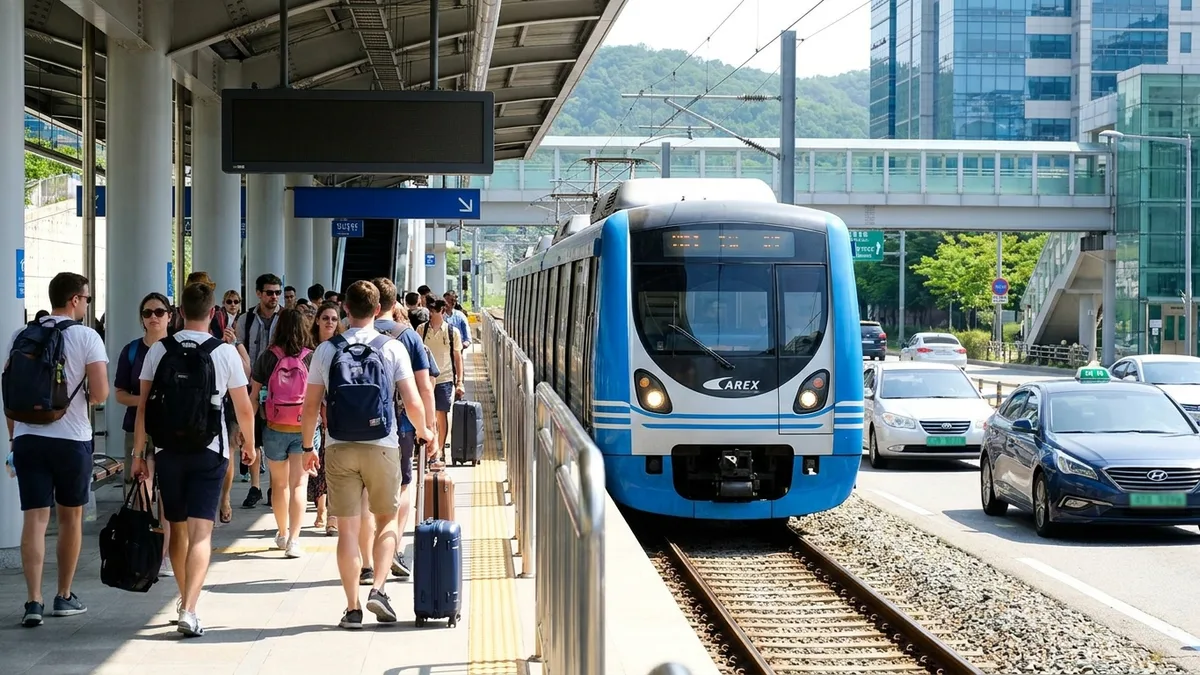
The airport railway and airport buses coming from Incheon Airport into the city, as well as travel to the outer metropolitan area, don't fit the Climate Card.
Think of airport-to-city and travel to other regions as needing a separate method.
Want to handle everything from your first ride after landing in one app? Check out LACHA.
Built to work without a Korean phone number or bank account, with overseas payment methods like Alipay, WeChat Pay, and Apple Pay. Taxi hailing plus KTX, express bus, and airport railroad (AREX) booking — all in one app.
Download now


How to Get a Refund
There are times when you still have days left but you're leaving Korea or won't be using it anymore. The refund rules are a bit tricky for foreigners.
- If you have a Korean bank account: Request a refund through the Mobile T-money app or a kiosk → it's deposited to your account.
- Foreigners without a Korean bank account: You'll be directed to a method where you visit the T-money headquarters in person to receive a cash refund.
- The refund amount is calculated after deducting for days used and usage records, and a fee may apply.
For travelers, the process of getting a refund on the remaining period is a bit of a hassle in itself. Choosing a short-term pass (1/2/3/5/7 days) that fits your schedule from the start means less loss.
Who Benefits — A Sense of the Break-Even Point
- If you ride the subway or bus four or more times a day within central Seoul, the 1-day pass (5,000원) is likely to be more advantageous than regular fares (based on the base subway fare of 1,550원, reflecting the June 2025 increase).
- Travelers who move around the city a lot over several days will find the 3/5/7-day passes convenient.
- For residents and long-term stayers in Seoul for more than a month, the 30-day pass (from 62,000원) is usually worthwhile based on commuting.
- Conversely, if airport or intercity travel is your main use, or your travel crosses into Gyeonggi or Incheon, its efficiency drops sharply.
FAQ
Q1. Can foreign tourists buy the Climate Card too? A. Yes, you can. It's not tourist-only — anyone can use it. For travelers, the short-term passes (1–7 days) are a good fit.
Q2. Do I need a Korean phone or bank account? A. A physical card can be bought and charged without a Korean phone or bank account. Since 2026-03-17, overseas card payment for short-term passes has also opened up at the new ticketing machines (with an average 3.7% fee), but recognition may fail depending on the machine and card issuer, so we recommend keeping cash on hand as well. Mobile issuance is only available on Android OS 12+, and the iPhone is not supported.
Q3. Can I use the Climate Card to come from the airport into the city? A. The Incheon Airport-bound sections of the airport railway and airport/wide-area buses are not covered (the Seoul section of the airport railway, Gimpo Airport to Seoul Station, is covered). For travel between Incheon Airport and the city, use a separate method.
Q4. Can I ride the Sinbundang Line or go into Gyeonggi Province? A. The Sinbundang Line and sections outside Seoul (Gyeonggi, Incheon) may not be covered or may incur an extra charge. There are cases where the exit tag doesn't register, so it's good to check your route in advance.
Q5. Can I get a refund on the remaining balance? A. Yes. If you have a Korean bank account, you can do it via the app or a kiosk; foreigners without an account will be directed to visit the T-money headquarters for a cash refund. Deductions for days and usage records, plus a fee, may apply.
The fares, pass types, payment availability, and refund procedures in this article are as of 2026-06 and may vary by card issuer, station, machine, and timing. Before actually buying or paying, please be sure to check the official guidance from T-money and the Seoul Metropolitan Government. For sensitive matters such as visas and residency, follow the official guidance from HiKorea (www.hikorea.go.kr) and the Foreigner Comprehensive Information Center (1345). This article is for informational purposes only and does not guarantee any specific outcome.