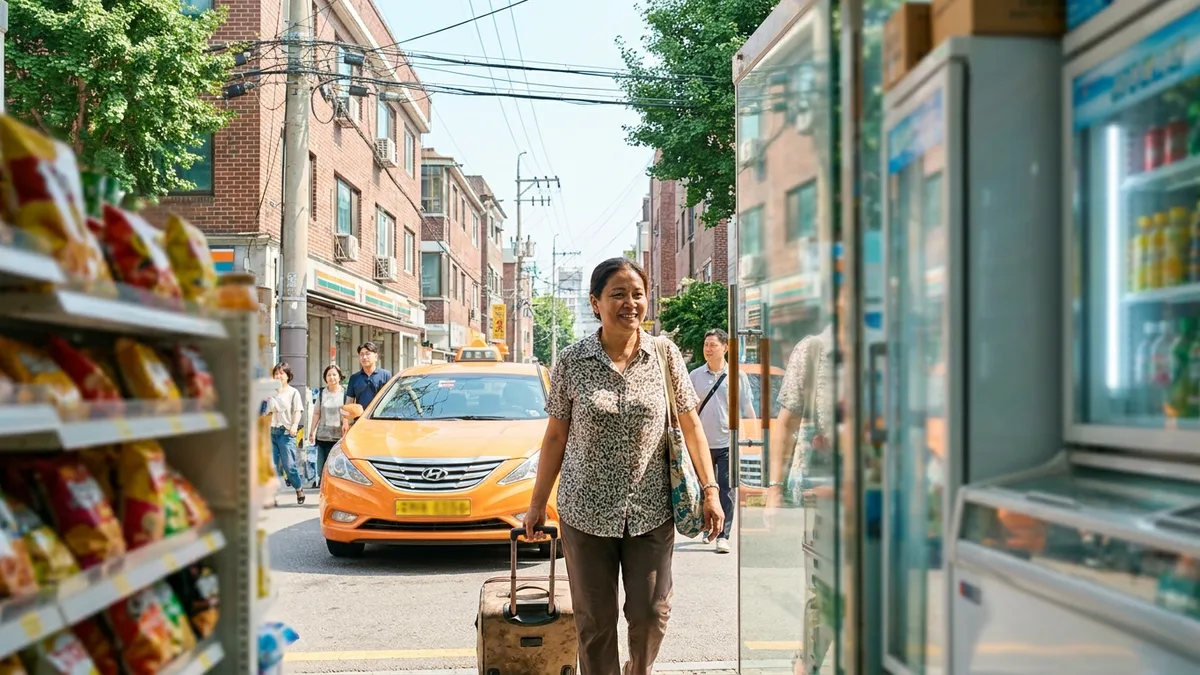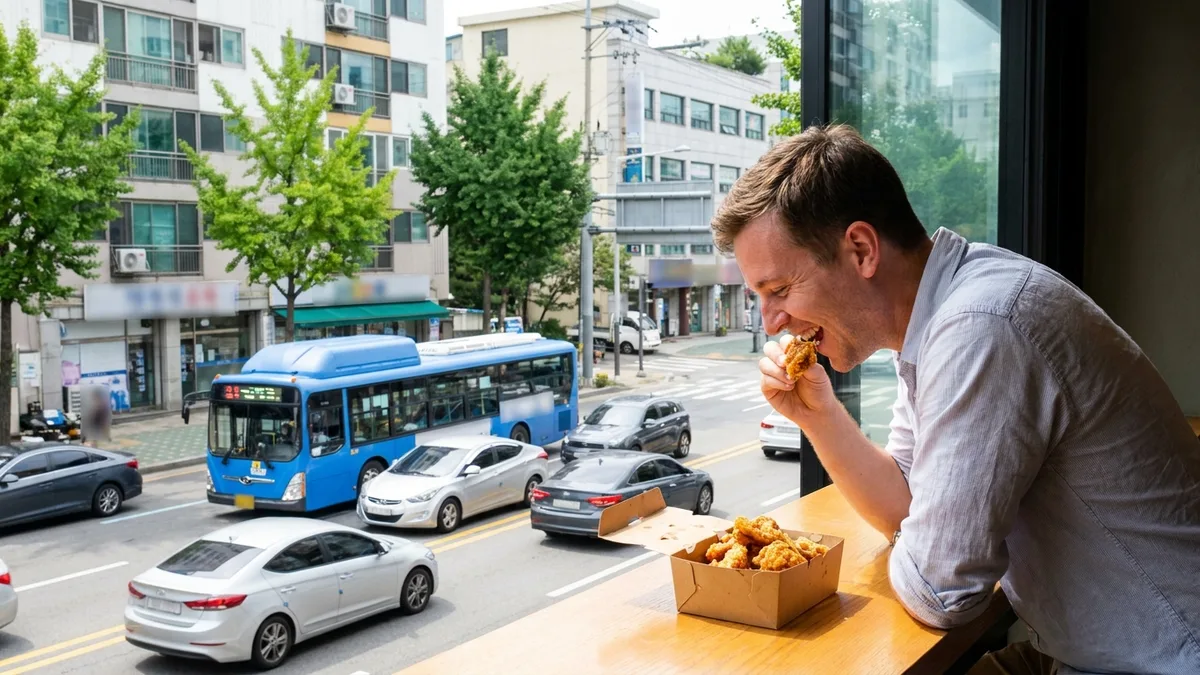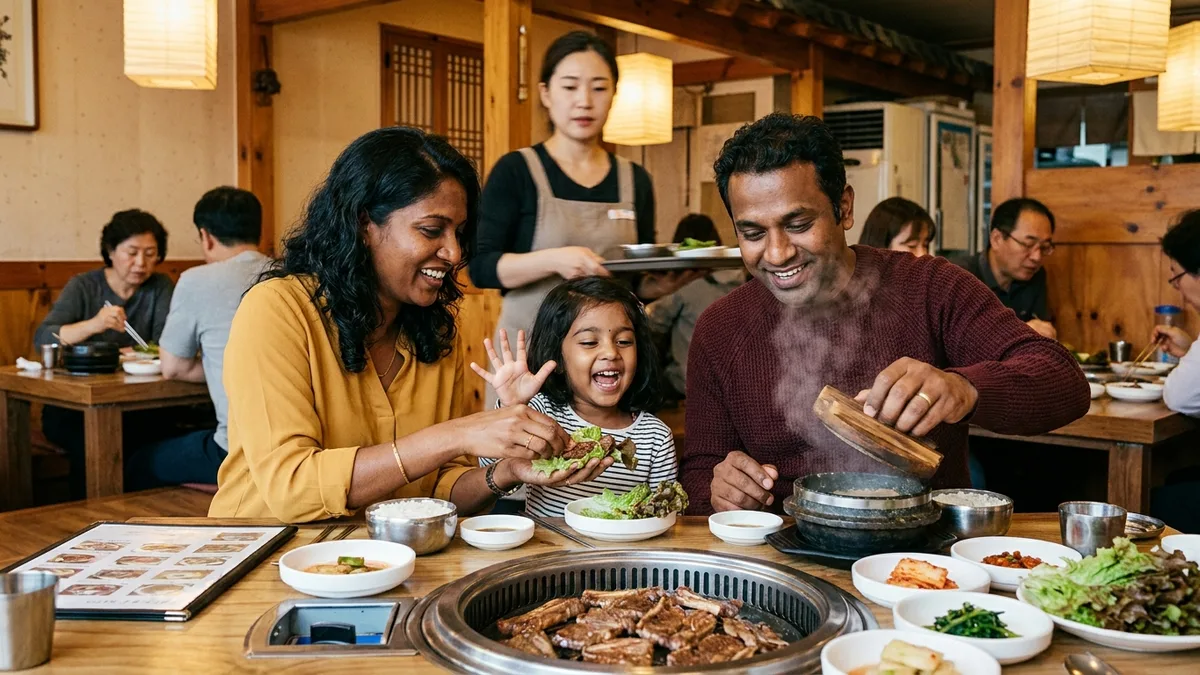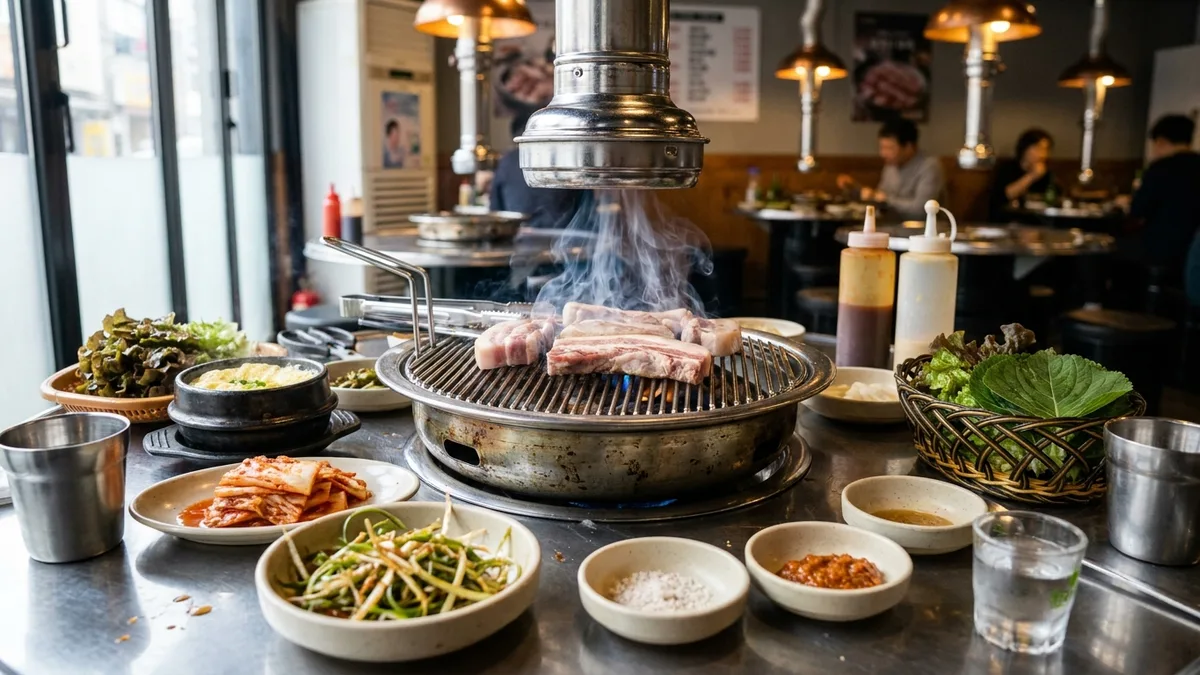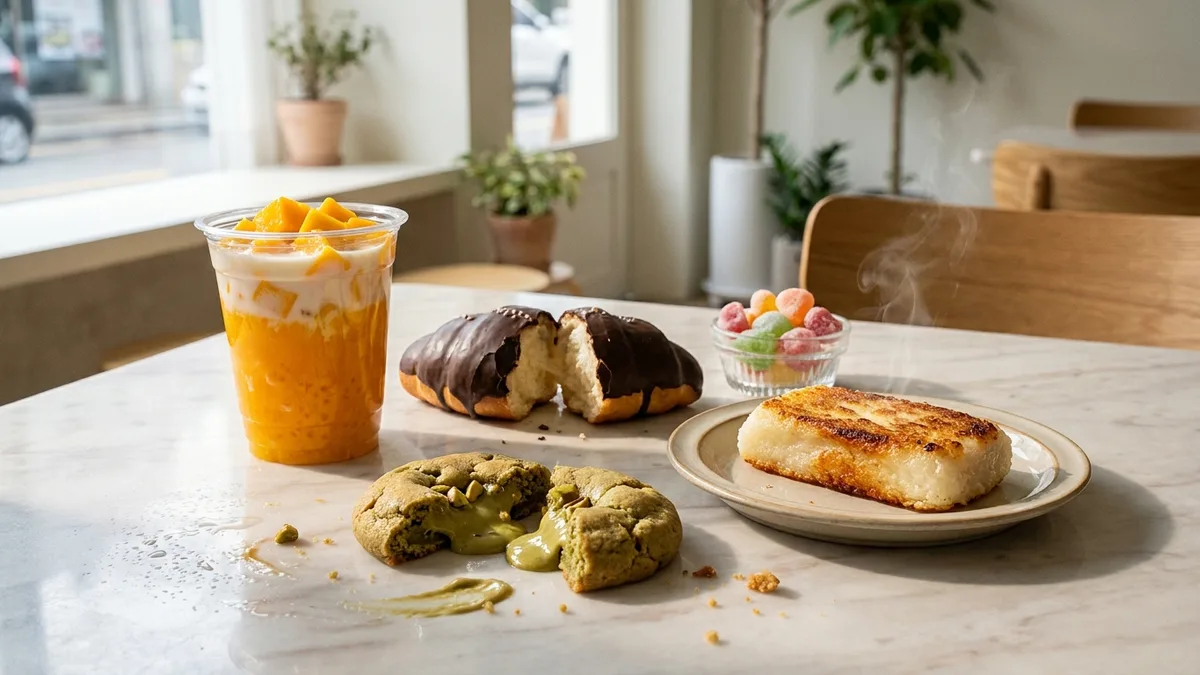
Seven in the evening, at a barbecue place in Mapo. You walk in alone, order samgyeopsal, and the server tells you with an apologetic look, "Orders start from two portions." The next table is laying meat on the grill while you're back out on the street reaching for a convenience-store lunchbox — a scene that plays out surprisingly often on a trip to Korea. Korean food trips people up not because of the flavors but because the system is unfamiliar. Ordering by the portion, side dishes you can't tell are free or not, water that nobody brings you.
This article isn't a list of great restaurants — it's an ordering playbook. For each of the 12 dishes you have to try, we'll go in order: (1) what's in it (pork, seafood, how spicy), (2) what it costs per person, (3) which neighborhood or market to head for, and (4) how to order it.
The line between dishes you can eat alone and dishes that need two or more people is the heart of this article. How to pick a restaurant by occasion — a date, family, and so on — is covered separately in the Seoul restaurants by occasion guide.
The prices, hours, and systems below are based on publicly available information as of Aug 2026. Eating-out prices differ by restaurant and neighborhood and rise often, so check average prices on the Korea Consumer Agency's Chamgagyeok site (price.go.kr), and check an individual restaurant's prices and closing days on Naver Map right before you go.
Five restaurant systems worth knowing before you order
Most of the moments when a Korean restaurant seems unfriendly come down to not knowing the system. Five things will carry you through any restaurant.
- Banchan are free, and refills usually are too: All those small plates that arrive without you ordering them are included. If you want more, saying "igeo jogeum deo juseyo" (a little more of this, please) usually gets you a free refill.
- Water and utensils are self-serve: Water comes from a self-serve dispenser or a bottle on the table, and at many places the spoons and chopsticks live in a drawer on the side of the table. Nobody bringing them to you isn't rudeness.
- Call staff with the buzzer: Pressing the call buzzer on the table is the standard. Lately, restaurants that take orders on a tablet are also spreading fast (as of Aug 2026).
- No tipping: There's no tipping culture. You normally pay at the counter on your way out.
- "One portion" is an ordering unit, not an amount: For grilled meats especially, many places take orders only from two portions up. More on that below.
The 12 at a glance
The averages are the latest Seoul figures from the Korea Consumer Agency's Chamgagyeok survey (first half of 2026); the rest are typical ranges. "Solo" rates how hard the dish is to eat by yourself.
| Dish | Price per person | Solo | Allergy & diet check |
|---|---|---|---|
| Bibimbap | ₩11,769 average | ◎ | Easy to leave the meat out; heat adjustable |
| Kimchi-jjigae | ₩8,654 average (₩9,000–11,000 in practice) | ◎ | Pork by default; hot and hearty |
| Sundubu-jjigae | Around ₩9,000–11,000 | ◎ | Often built on clam or seafood broth |
| Gimbap | Around ₩3,838 a roll | ◎ | Ingredients easy to check; not spicy |
| Tteokbokki | ₩4,000–6,500 | ◎ | Anchovy broth and eomuk (fish cake) common; spicy |
| Naengmyeon | ₩12,615 average | ◎ | Beef broth; mul-naengmyeon isn't spicy |
| Samgyetang | ₩18,154 average | ◎ | Chicken, ginseng, glutinous rice; not spicy |
| Samgyeopsal | ₩17,000–19,000 per portion (150g) | △ from two portions | Pork |
| Dwaeji-galbi | ₩13,000–20,000 per portion | △ from two portions | Pork; sweet marinade |
| Chicken | ₩21,000–26,000 a whole bird | △ enough for two | Chicken; heat varies by menu |
| Pajeon | ₩10,000–22,000 a pancake | △ drinking-snack size for two | Seafood (squid, shrimp) common |
| Bingsu | ₩10,900–15,500 (chains) | △ serves two | Milk ice + red bean; dessert |
Actual prices differ by restaurant and neighborhood. In the middle of a tourist district or at a hotel, assume higher than this table.
As a reference line for the general price level, the same survey puts Seoul's average kalguksu (knife-cut noodle soup) at ₩10,038 and jajangmyeon (noodles in black bean sauce) at ₩7,654 (Chamgagyeok, first half of 2026).
Easy to eat alone: bibimbap, kimchi-jjigae, and sundubu-jjigae
Bibimbap averages ₩11,769 in Seoul (Chamgagyeok, first half of 2026). It's rice topped with seasoned vegetables, meat, and egg that you mix together with gochujang (red chili paste), so going light on the gochujang keeps the heat down, and one line — "gogi ppae juseyo" (no meat, please) — gets it close to vegetarian (the jeotgal, or salted fermented seafood, in kimchi and side dishes is a separate matter — see the checklist below).
In Jeonju, the dish's hometown, specialist restaurants run ₩14,000–18,000, above the Seoul average (as of Aug 2026). The stone bowl used for dolsot bibimbap gets extremely hot, so don't touch it with bare hands.
Kimchi-jjigae (kimchi stew) averages ₩8,654 in Seoul as a baekban set, while downtown restaurants feel more like ₩9,000–11,000 (first half of 2026). Pork simmered together with kimchi is the default, so it doesn't work for Muslim or vegetarian diners, and it sits near the top of these 12 for heat. It comes as baekban — a set served with rice and side dishes — so this one bowl is a complete meal.
Gwanghwamunjip, a long-running kimchi-jjigae place in Jongno, is known for a two-portion order at ₩18,000 (₩9,000 per person) paired with a ₩6,000 rolled omelet (as of Aug 2026). Old-guard restaurants change prices and closing days without notice, so check Naver Map right before you go.
Sundubu-jjigae (soft tofu stew) runs around ₩9,000–11,000 at ordinary restaurants, and about ₩11,000 including stone-pot rice at the well-known chains (as of Aug 2026).
It's an earthenware pot of silky tofu, but many places build it on a clam or seafood broth, so if you have a shellfish or crustacean allergy, check before ordering. Some places let you pick a heat level, so you can simply ask "an maepge dwaeyo?" (can you make it not spicy?).
Under ₩10,000: tteokbokki and gimbap
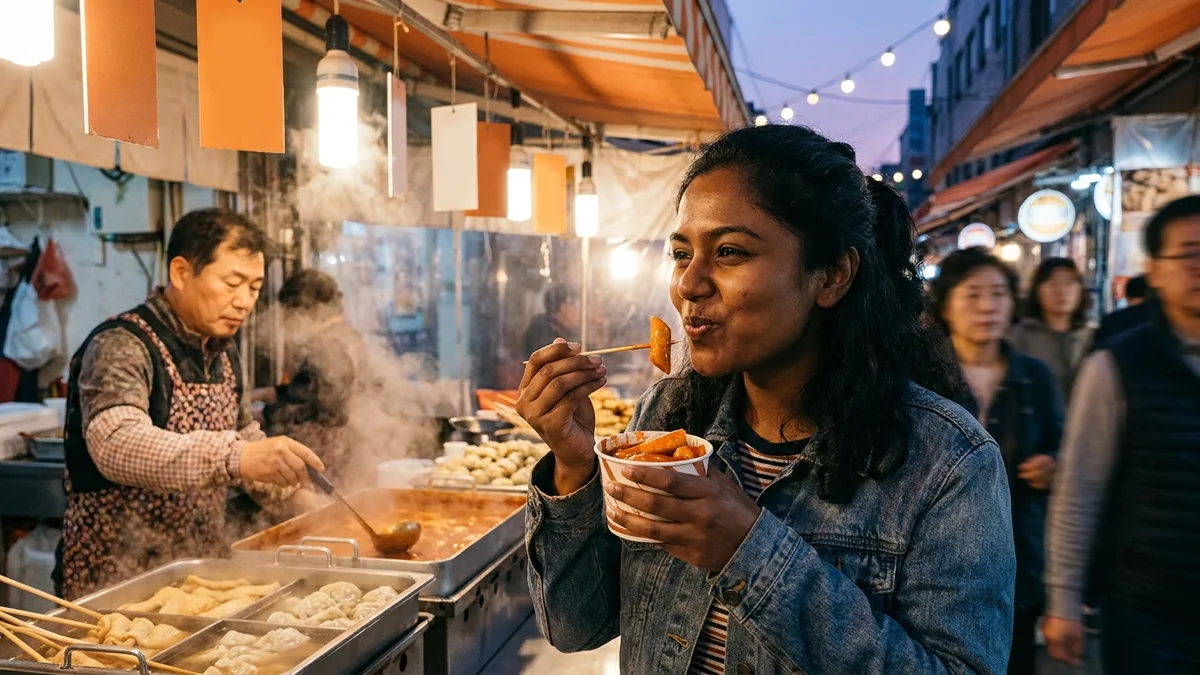
Tteokbokki costs ₩4,000–6,000 a portion at a bunsik (snack) shop. At the franchise chains, a portion is around ₩4,500, with a cheese topping around ₩6,500 (compiled as of Jan 2026; varies by store).
It's rice cakes in gochujang sauce, far spicier than it looks, and many shops build the broth on anchovy stock with eomuk (fish cake), so if you're a vegetarian who avoids fish, it's safest to skip it.
Gimbap averages ₩3,838 a roll in Seoul (Chamgagyeok, first half of 2026). Every ingredient is visible, which makes it the easiest dish here for managing allergies, and there are plenty of variations with tuna, cheese, and the like. At gimbap specialty shops, eating alone is completely standard. Peckish late at night? Convenience-store gimbap and lunchboxes are the alternative.
Samgyeopsal and dwaeji-galbi start at two portions
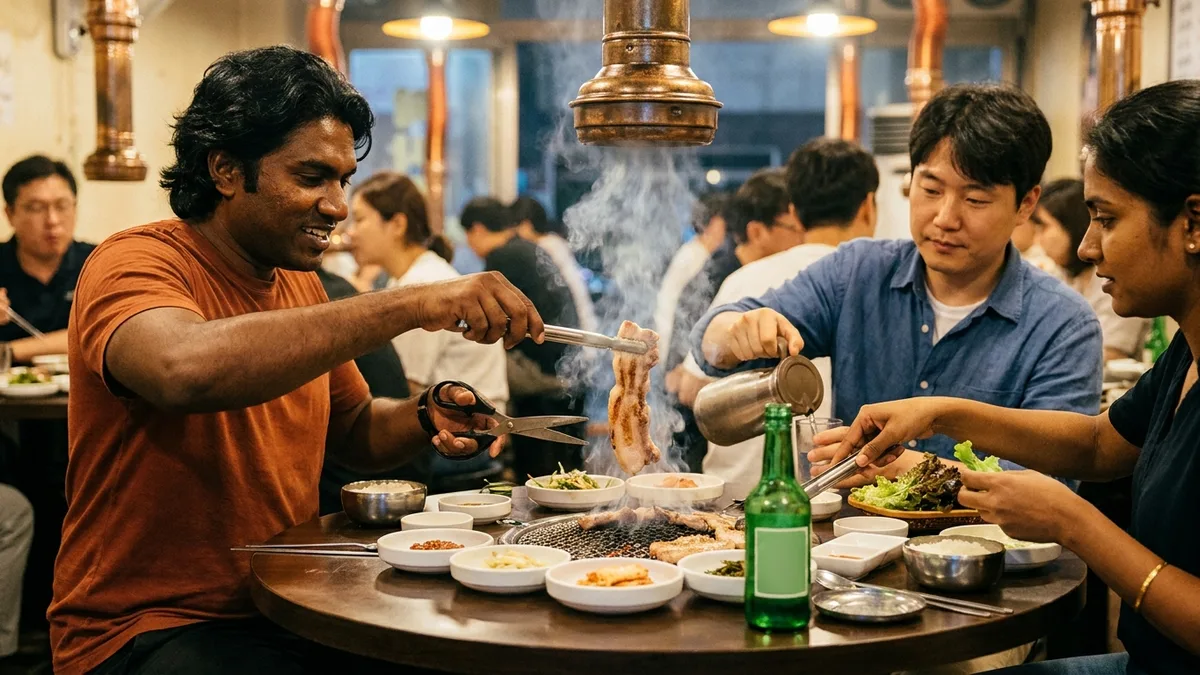
This is rule number one at a Korean barbecue restaurant. For grilled meats, orders start from two portions at most places, and at peak time (usually 6–8 PM) solo diners are sometimes not given a table at all. If you're on your own, going early to dodge the peak, or searching "1인 삼겹살" (samgyeopsal for one) in a map app to find a place with single-person grills, is the realistic move.
Samgyeopsal (grilled pork belly) commonly runs ₩17,000–19,000 for one portion (150g) at the well-known barbecue places, and one tally puts the Seoul eating-out price at ₩21,321 when converted to 200g (as of Aug 2026 reporting). There are reports of a recent trend of cutting the per-portion weight from 200g to 150g — in some cases to 130g — instead of raising the price, so read the gram count on the menu along with the price.
You grill it yourself on the tabletop plate, cut it with scissors, and wrap it in lettuce, and if the grilling is beyond you, staff at many places will help.
Dwaeji-galbi is pork ribs marinated in a sweet soy-sauce marinade and grilled, at ₩13,000–20,000 a portion (there's no official average for this item, so we give a range only). Mapo has been a cluster of long-running dwaeji-galbi restaurants since the 1950s, and briquette-grill old-timers survive in the back alleys of Euljiro too. If heat is a problem for you, samgyeopsal and dwaeji-galbi are easier to approach than the gochujang dishes.
Summer's signature bowls: naengmyeon and samgyetang
Naengmyeon averages ₩12,615 in Seoul (as of May 2026 — it passed ₩10,000 for the first time in April 2022). It splits into mul-naengmyeon, in a chilled beef broth, and spicy bibim-naengmyeon, and mul-naengmyeon is among the least spicy of these 12.
Pyongyang-style naengmyeon institutions like Woo Lae Oak in Euljiro run ₩16,000–18,000, about ₩3,000–5,000 above the average (as of May 2026; check the official menu). Add vinegar and mustard at the table to taste, and if the noodles need cutting, just ask the staff.
Samgyetang is a restorative dish of a whole chicken stuffed with ginseng and glutinous rice and simmered, averaging ₩18,154 in Seoul, with famous specialists above ₩20,000 (as of May 2026). It isn't spicy and the ingredients are simple, which makes it the safest choice for anyone who struggles with strong spices.
Old-guard places like Tosokchon Samgyetang in Seochon (open since 1983, Gyeongbokgung Station Exit 5) run around ₩20,000, but check the hours and closing days on Naver Map right before you go. Waits at samgyetang restaurants are brutal through July and August around the boknal days (July 15, July 25, and Aug 14 in 2026), so it's best to avoid dates on either side of those.
Meant to be shared: chicken, pajeon, and bingsu
Chicken is sold only by the whole bird, which makes it a lot for one person. A whole bird from a famous brand is ₩26,000 on the delivery apps, and with the delivery fee it comes to about ₩30,000 (as of Jan 2026 reporting).
The same item can carry a "dual price," with the in-store recommended price differing from the delivery-app price, so eating in or taking out is often cheaper than delivery (varies by brand; check official sources). To order to your accommodation, see the English-friendly delivery app guide. Fried (plain) isn't spicy, and anything labeled "yangnyeom" is sweet and spicy.
Pajeon is a savory pancake of spring onion and seafood (squid, shrimp), at ₩10,000–22,000 a pancake at Seoul jeon houses (as of Aug 2026). One pancake is sized as a drinking snack for two, so it's big for one person to finish. Eating it with makgeolli on a rainy day is the Korean formula. If you have a shellfish allergy, pick a seafood-free jeon such as gamja-jeon (potato) or kimchi-jeon.
Bingsu is a dessert of shaved milk ice topped with red bean and fruit, at ₩10,900–15,500 at the specialist chains (compiled as of Dec 2025; varies by store). The standard size is enough for two, so sharing is the norm.
Hotel apple-mango bingsu climbs as high as ₩120,000–185,000 (as of 2026), and it's generally sold as a May-to-September seasonal item.
Remember where to eat by market and alley, not by restaurant
Individual restaurants close down and move often, so it's less risky to remember neighborhoods and then pick with a map app once you're there. Search tips are in the Naver Map and KakaoMap guide.
- Gwangjang Market (Jongno): Korea's first permanent market, opened in 1905, with some 5,000 stalls. Bindaetteok (mung bean pancake) from ₩5,000, kkoma-gimbap (also called mayak gimbap) from ₩3,000–4,000 a roll (varies by stall). It's a 3-minute walk from Exit 8 of Jongno 5-ga Station on Line 1. The food alley stays open until around 10 PM, but many of the general stalls close on Sundays (check official sources).
- The back alleys of Euljiro and Jongno: An area packed with restaurants that have run for decades. It's good ground for hunting kimchi-jjigae, dwaeji-galbi, and Pyongyang naengmyeon institutions alley by alley.
- Mapo (the Gongdeok Station–Mapo Station area): A meat alley that dates back to the 1950s. It's a neighborhood where the evening company-dinner crowd piles in, so for grilled meat you're better off going early.
One block in off the main tourist drag, the same dish is often noticeably cheaper — if a price tag sits far above the averages here, read it as a tourist-district premium.
Famous restaurants have long waits in the evening. How to use the remote queue apps, and the sign-up barriers foreigners run into, are covered separately in the CatchTable waiting app guide.
If you're Muslim, vegetarian, or have allergies
- Kimchi is not vegetarian by default: Traditional kimchi contains jeotgal such as salted shrimp and anchovy fish sauce. Vegetarians need to check separately whether a restaurant uses "vegetarian kimchi."
- Muslim diners: Pork turns up not only in samgyeopsal, dwaeji-galbi, and kimchi-jjigae but also in stew garnishes and stir-fried dishes across the board. Among jeotgal, fish sauce is widely viewed as halal, but judgments on salted shrimp differ by school, so checking against your own standard is the safe approach.
- If you're avoiding pork: Samgyetang (chicken), mul-naengmyeon (beef broth), and gimbap (easy to check the ingredients) are relatively easy picks. That said, broths and garnishes differ from shop to shop, so it's safest to confirm before ordering.
- Seafood allergies: Pajeon (squid, shrimp), sundubu-jjigae (clams), and tteokbokki broth (anchovy, fish cake) generally contain them. Recipes vary from shop to shop, though, which makes generalizing hard, so confirming before you order is essential.
- Sentences to show before ordering: Pulling up "돼지고기가 들어 있나요?" (does this contain pork?) and "새우·조개가 들어 있나요?" (does this contain shrimp or shellfish?) in a translation app and showing the screen works almost everywhere. The more old-school the market stall or restaurant, the less likely an English menu is — which is exactly where this method proves itself.
Getting to the food, and paying for it
Eating all 12 means moving back and forth between Jongno, Euljiro, and Mapo. Building a day's food route with subway and taxi fares folded in is the realistic approach. The catch is that a good number of Korean transport and booking apps require Korean phone identity verification, so plenty of travelers get blocked at the stage of simply reaching the restaurant.
Installing one transport and payment app designed to work without identity verification makes that route simple. If you can call a taxi without a Korean phone and pay directly with overseas payment methods, getting to the barbecue place in the evening and back late at night drops off your list of worries.
Want to handle everything from your first ride after landing in one app? Check out LACHA.
Built to work without a Korean phone number or bank account, with overseas payment methods like Alipay, WeChat Pay, and Apple Pay. Taxi hailing plus KTX, express bus, and airport railroad (AREX) booking — all in one app.
Up to 60% off Korea transit with a coupon (max ₩3,000): enter code at sign-up. KTX gets up to 18% off on top
Download now


Frequently Asked Questions (FAQ)
Q1. I'm on my own but I really want samgyeopsal. Is there any way? Going in the early afternoon or late at night, outside peak time (usually 6–8 PM), some places will take you, and searching "1인 삼겹살" or "혼고기" (meat alone) in a map app turns up restaurants with single-person grills. If that still doesn't work, a kimchi-jjigae loaded with pork is another way to get there.
Q2. I can't handle spicy food at all — what should I pick? Samgyetang, mul-naengmyeon, gimbap, pajeon, and bingsu are the safe zone. Tteokbokki, bibim-naengmyeon, and kimchi-jjigae are on the spicy side, and bibimbap is adjustable if you add only a little gochujang. Keep in mind that "yangnyeom" in a dish name often means it's sweet-and-spicy.
Q3. Are banchan refills really free? What about tips? Yes — the basic side dishes are free, and refills usually are too. There's no tipping culture, and the price on the menu is the final price. That said, items with their own price printed on the menu, like the steamed egg or doenjang-jjigae at a barbecue place, are paid sides.
Q4. How much should I budget for food per day? With bunsik (a roll of gimbap at around ₩3,838 plus tteokbokki at ₩4,000–6,000), a meal comes in under ₩10,000 (based on first-half 2026 average prices). Baekban and stews run around ₩10,000 per person, and for samgyeopsal and dwaeji-galbi, figure the per-portion price plus rice and drinks.
Q5. Do many restaurants have English menus? Plenty do in tourist areas like Myeongdong and Itaewon, but most old-guard restaurants and market stalls have Korean-only menus. Point a translation app's camera at the menu, or use the photo menu on the tablet ordering device. If the restaurant has photos on display, simply pointing with your finger is enough.
Once you've had all 12, think in neighborhoods
The 12 dishes here answer the question of what to eat. If you want to hang restaurants onto an itinerary that leaves Seoul for Busan, carry on with the real-world 5-day Seoul–Busan itinerary. Eating-out prices keep climbing, so use the averages in this article only as a reference line and trust the final price on the menu.
Note: This article is for general travel information purposes. Average prices come from the latest public figures on the Korea Consumer Agency's Chamgagyeok site (price.go.kr) and from 2026 news reporting, and actual prices, hours, and menu line-ups differ by restaurant and change frequently. Allergen and halal status varies with each shop's recipe even for the same dish, so always confirm directly before ordering. LACHA has no affiliation with any particular restaurant and does not guarantee that the restaurant and price information listed here is current.